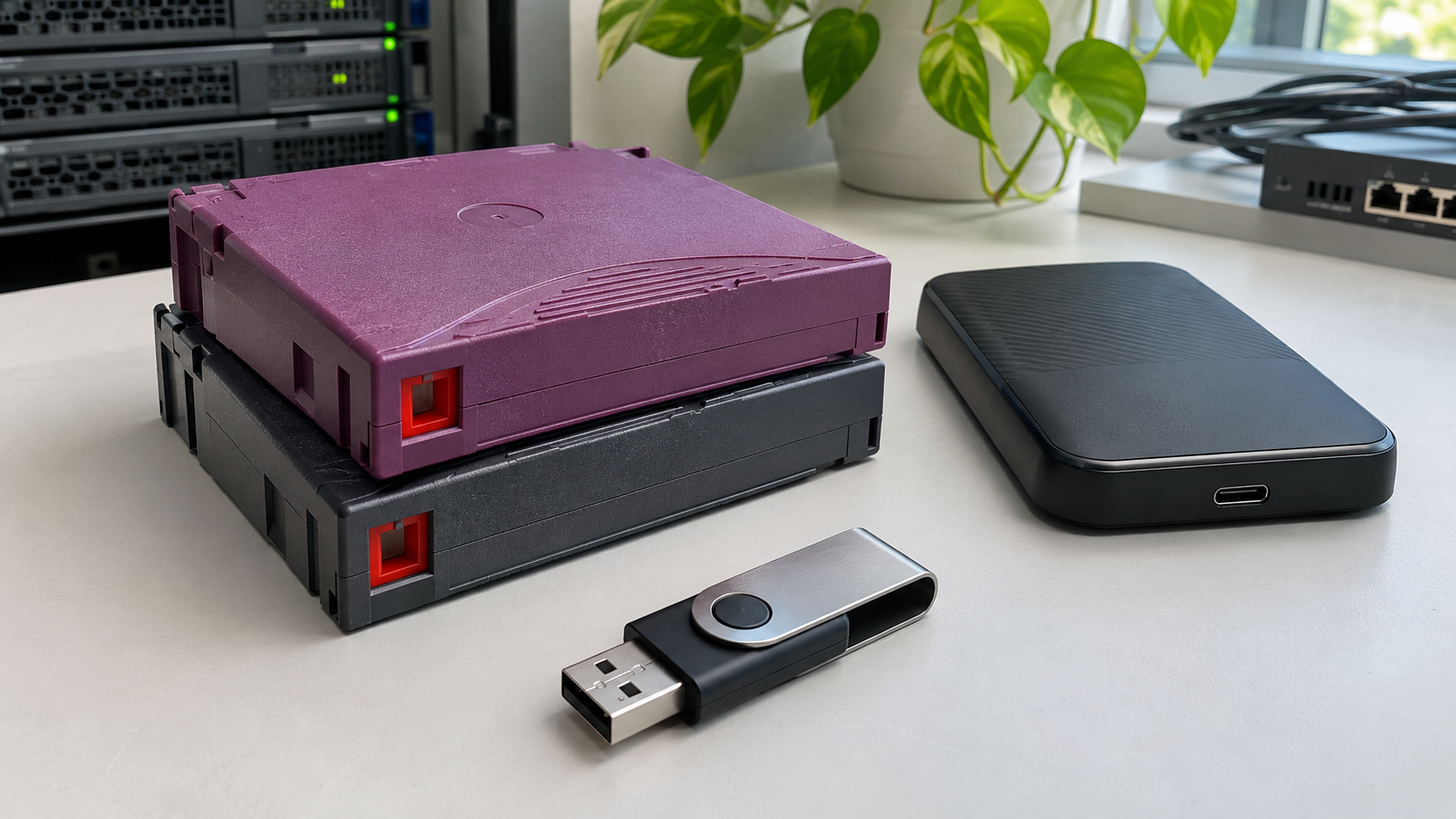
Every business keeps records: tax filings, payroll, customer files, contracts, email and backups. Keep too little and you may not be able to answer a tax question or a legal request. Keep too much and you carry more data to protect and more risk if it is exposed. A data retention policy sets the rules in between. This guide explains what a data retention policy is, what it should include, and how it connects to secure disposal.
This article is general information, not legal or tax advice. Your retention periods depend on your industry, location and contracts.
What Is a Data Retention Policy?
A data retention policy is a written set of rules that says which records your business keeps, how long it keeps them, where they are stored, who is responsible, and what happens when the retention period ends.
It covers both paper and electronic records, including data on laptops, servers, cloud services, backups and removable media.
Data Retention Policy vs Data Destruction Policy
The two are closely linked:
- A data retention policy decides how long information is kept.
- A data destruction policy decides how it is destroyed once it is no longer needed.
Data Destruction Policy explains the second half. Many businesses combine both into one records management policy.
Why Your Business Needs a Data Retention Policy
Legal and Tax Requirements
Some records must be kept for set periods. The IRS explains that generally, you must keep records that support an item of income, deduction or credit on your tax return until the period of limitations for that return runs out.
Limits on Keeping Data Too Long
Some rules also limit how long you keep data. For example, the FTC’s Safeguards Rule guidance says covered financial businesses must securely dispose of customer information no later than two years after its most recent use to serve the customer, with limited exceptions. GLBA Safeguards Rule explains that rule.
Less Data Means Less Risk
The FTC’s guide Protecting Personal Information advises businesses to keep only what they need for their business and to properly dispose of what they no longer need.
How Long Should You Keep Records? IRS Examples
The IRS lists these periods of limitations for income tax records. Unless stated otherwise, the years run from when the return was filed:
| Situation | How long the IRS says to keep records |
|---|---|
| General rule, when the situations below do not apply | 3 years |
| You file a claim for credit or refund after filing | 3 years from filing or 2 years from paying the tax, whichever is later |
| You claim a loss from worthless securities or a bad debt deduction | 7 years |
| You do not report income you should have reported, and it is more than 25% of gross income shown on the return | 6 years |
| You do not file a return | Indefinitely |
| You file a fraudulent return | Indefinitely |
| Employment tax records | At least 4 years after the tax becomes due or is paid, whichever is later |
The IRS also says to keep records relating to property until the period of limitations expires for the year you dispose of the property. And it reminds businesses that when records are no longer needed for tax purposes, they should check whether they must keep them longer for other reasons, such as requirements from insurers or creditors.
What a Data Retention Policy Should Include
- Scope. Which records, systems and locations the policy covers.
- Record categories. Group records by type, such as tax, payroll, customer, contracts and email.
- Retention periods. How long each category is kept, and the reason.
- Storage locations. Where each category lives, including backups.
- Owners. Who is responsible for each category.
- Legal holds. How to suspend disposal when records are needed for litigation, audits or investigations.
- Disposal method. How records are destroyed when retention ends, for paper and for each type of electronic media.
- Review schedule. How often the policy is updated.
Don’t Forget Devices and Backups
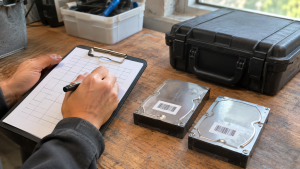
Retention periods apply to data wherever it lives. When retention ends, data can still sit on:
- old laptops and desktops
- servers and storage arrays
- backup tapes and drives. Backup Tape Destruction covers tapes.
- copier and printer hard drives
- USB drives and external drives
Deleting a file is not the same as disposing of it. The FTC warns that files deleted with keyboard or mouse commands may continue to exist on a hard drive and could be retrieved. Use a sanitization method suited to each media type, as described in NIST 800-88 Explained.
How to Put a Data Retention Policy Into Practice

- Start with an inventory of record types and where they are stored.
- Set periods with input from your accountant, legal counsel and department heads.
- Automate where possible, for example with email retention settings.
- Schedule regular disposal rather than waiting for a cleanout.
- Document what was destroyed, including certificates for retired devices. Certificate of Data Destruction explains what to look for.
How 3W Computer Can Help
3W Computer works with businesses retiring IT equipment from its base in Upland, California. On its website, 3W Computer lists physical hard drive shredding, software wiping meeting NIST 800-88 standards, on-site shredding options, a certificate of destruction, detailed inventory reporting, and logistics and pickup. Contact 3W Computer to discuss disposal of devices that hold data your policy says is no longer needed.
Frequently Asked Questions
What is a data retention policy?
It is a written set of rules that defines which records a business keeps, for how long, where, who is responsible and how they are disposed of.
How long should a business keep records?
It depends on the record. The IRS says to generally keep tax records until the period of limitations runs out, often 3 years, with longer periods in some situations, and employment tax records for at least 4 years.
What is the difference between a data retention policy and a data destruction policy?
Retention decides how long data is kept; destruction decides how it is disposed of when it is no longer needed.
Should a data retention policy cover backups?
Yes. Data in backups and on retired devices is still data your business holds.
What is a legal hold?
It is an instruction to suspend normal disposal for records that may be needed for litigation, an audit or an investigation.
Make Your Data Retention Policy Work All the Way to Disposal
A data retention policy is only complete when it covers what happens at the end. Set clear periods, include every place data lives, plan for legal holds, and dispose of data securely with records to show it.
To discuss secure disposal of retired devices, contact 3W Computer.
Sources
- Internal Revenue Service, How long should I keep records?
- Federal Trade Commission, FTC Safeguards Rule: What Your Business Needs to Know
- Federal Trade Commission, Protecting Personal Information: A Guide for Business
Name: Win Win World Recycle LLC
Address: 1226 West 9th Street, Upland, CA 91786
Phone: 908-798-6789