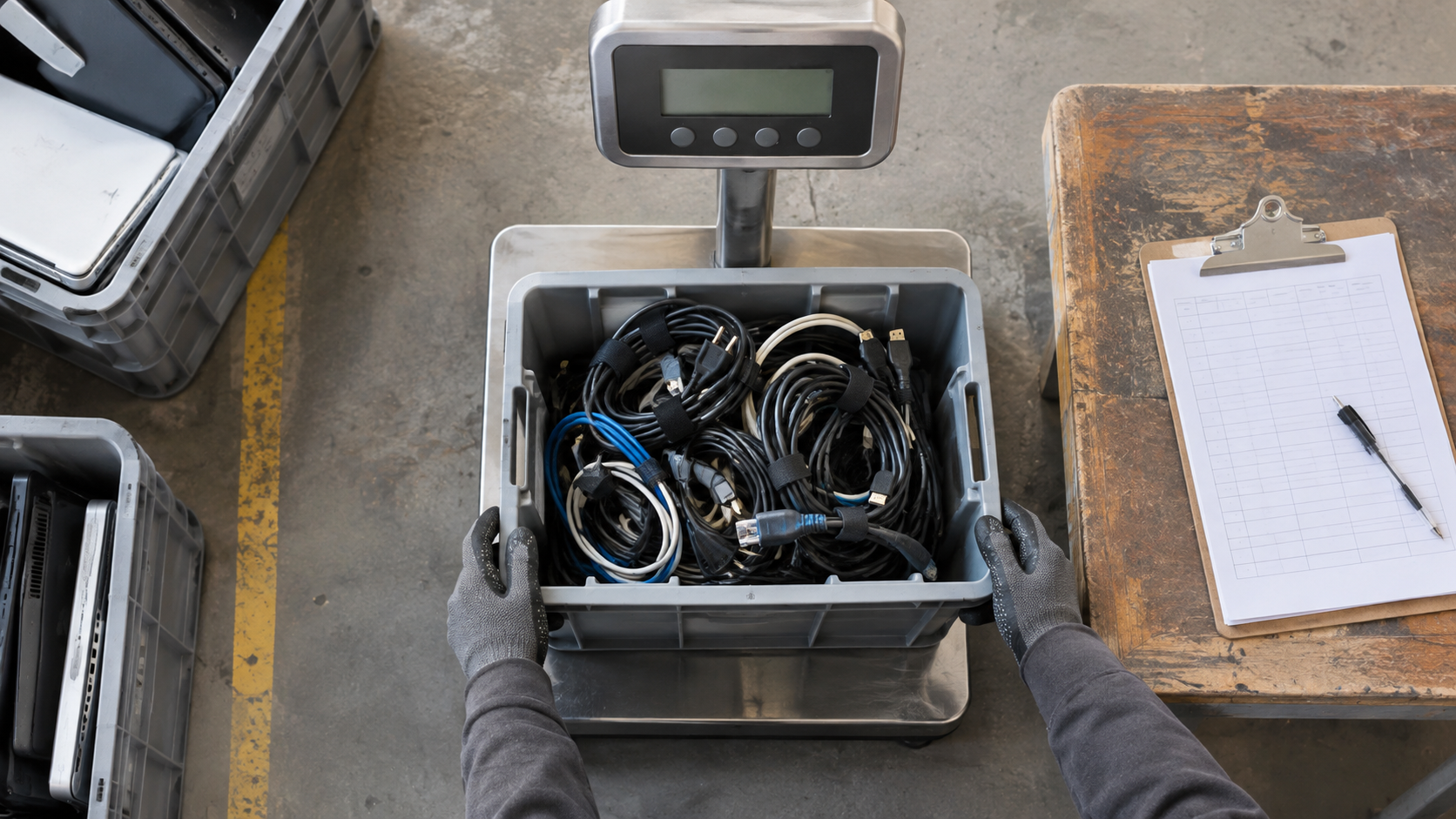
“Zero landfill” appears in sustainability reports, facility signs and recycling service descriptions. It sounds simple: nothing goes to a landfill. In practice, the term can mean different things depending on how waste is counted, what is excluded and whether anyone has checked the numbers. This guide explains what zero landfill means, how such claims are measured and validated, and what to ask when a recycler describes a zero landfill policy.
What Does Zero Landfill Mean?
Often called zero waste to landfill (ZWTL), the term describes a goal or result where waste from a facility or process is diverted away from landfills through reuse, recycling, composting or other recovery methods.
The idea fits the EPA’s waste management hierarchy, which ranks strategies from most to least environmentally preferred:
- Source reduction and reuse (most preferred)
- Recycling and composting
- Energy recovery
- Treatment and disposal (least preferred)
The EPA says source reduction, also known as waste prevention, is the most environmentally preferred strategy. The aim is to keep material in the upper levels and out of the bottom one.
Zero Landfill vs Zero Waste
The two terms are related but not identical:
- Zero landfill focuses on where waste ends up: not in a landfill.
- Zero waste is broader and also emphasizes producing less waste in the first place.
The EPA notes that after energy recovery from waste, approximately ten percent of the volume remains as ash, which is generally sent to a landfill. That is one reason how a claim treats waste-to-energy matters.
How Zero Landfill Claims Are Measured
These claims usually rest on a diversion rate: the share of discarded material kept out of landfills. Key questions behind any rate include:
- What materials are counted, and what is excluded?
- How is waste-to-energy or incineration treated?
- Over what period is the rate measured?
- Who confirms the data?
How Zero Landfill Claims Are Validated
Third-party validation gives a claim more weight than a self-declaration does. UL Solutions, for example, offers waste diversion rate validation and a Zero Waste to Landfill program. UL describes that program as being for facilities achieving at least 90% landfill diversion and seeking Silver, Gold or Platinum recognition. UL says it may review documentation such as material flows, waste inventories and diversion calculations.
This shows that “zero landfill” in a validated program does not always mean literally 100% diversion. Always ask which definition a claim uses.
Zero Landfill in Electronics Recycling
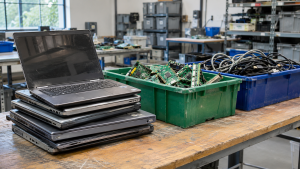
For electronics, a zero landfill policy usually means retired equipment is reused, resold or sent for material recovery rather than landfilled. That matters because electronics contain materials that are valuable and some that need special handling. The EPA estimated that in 2009, most discarded U.S. electronics in several major categories were disposed of primarily in landfills, where precious metals cannot be recovered, according to its page on cleaning up electronic waste.
For businesses, this approach to electronics typically includes:
- Reuse and remarketing of working equipment.
- Data handling before devices are reused or recycled.
- Dismantling and material recovery for equipment that cannot be reused.
- Downstream tracking to confirm where materials go.
What Happens to Recycled Computers and The E-Waste Recycling Process explain these stages.
Questions to Ask About a Zero Landfill Policy
- How does your policy define the term?
- Which materials or residues are excluded?
- How is incineration or waste-to-energy counted?
- Where do downstream materials go, and how is that tracked?
- Is the claim validated by a third party, or is it a company policy?
- What reporting will we receive for our equipment?
- Which recycling certifications do you hold? The EPA recommends using certified electronics recyclers, and Certified Electronics Recycling explains the main standards.
How 3W Computer Approaches Zero Landfill
3W Computer works with businesses from its base in Upland, California. On its website, 3W Computer describes its e-waste recycling as responsible disposal of electronics with a zero landfill contribution policy, and lists equipment remarketing, detailed inventory reporting, CRT and LCD monitor disposal, and data destruction services. Contact 3W Computer to ask how its zero landfill policy applies to your equipment and what reporting you can expect.
Frequently Asked Questions
What does zero landfill mean?
It means waste is diverted from landfills through reuse, recycling or other recovery, rather than being buried.
What is a zero landfill facility?
A facility that diverts its waste from landfills. Some facilities have this validated by third parties under specific programs.
Does zero landfill mean 100% recycling?
Not necessarily. Definitions vary, and some validation programs recognize facilities at diversion rates below 100%. UL’s program, for example, starts at 90%.
Is zero landfill the same as zero waste?
No. Zero waste is broader and also focuses on reducing the waste generated.
How can I verify a zero landfill claim?
Ask how the claim is defined, what is excluded, how materials are tracked and whether a third party has validated it.
Ask What Zero Landfill Means Before You Rely on It
It is a useful goal, but its value depends on how it is defined, measured and verified. Ask the right questions, prefer documented results, and pair recycling with reuse and data security.
To discuss responsible recycling for your retired electronics, contact 3W Computer.
Sources
- U.S. EPA, Non-Hazardous Materials and Waste Management Hierarchy
- UL Solutions, Waste Diversion and Zero Waste Services
- U.S. EPA, Cleaning Up Electronic Waste (E-Waste)
- U.S. EPA, Certified Electronics Recyclers
Name: Win Win World Recycle LLC
Address: 1226 West 9th Street, Upland, CA 91786
Phone: 908-798-6789