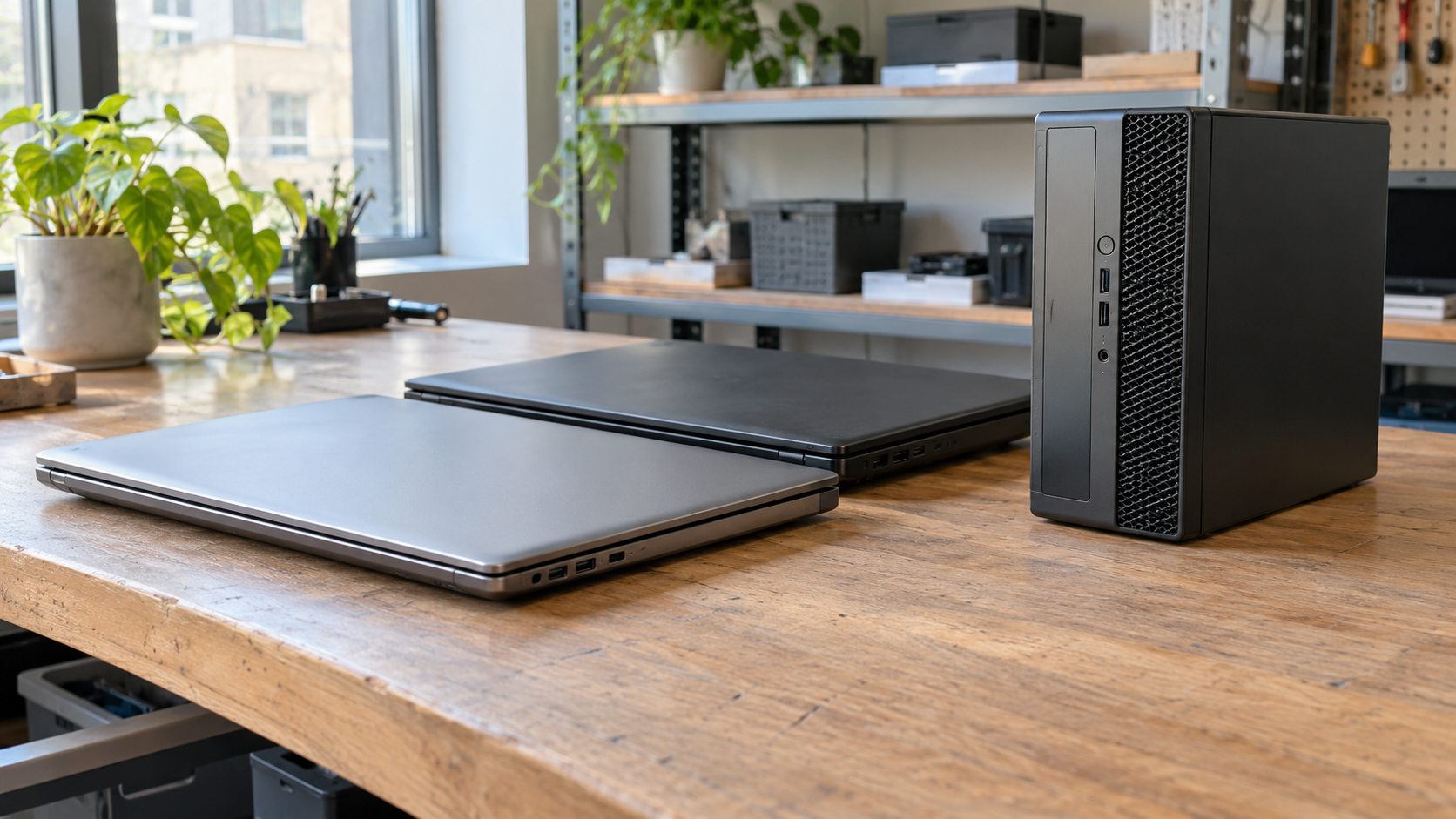
When old laptops and desktops leave your office in a pickup truck or a shipping box, it is easy to stop thinking about them. But what happens to recycled computers next matters, both for the data they may still hold and for the materials inside them. This guide follows a computer through the typical recycling journey, explains why each step matters, and lists the questions to ask so you know your equipment is handled responsibly.
Why It Matters What Happens to Recycled Computers
The U.S. EPA explains that electronic products are made from valuable resources and materials, including metals, plastics and glass, all of which require energy to mine and manufacture. Donating or recycling them conserves natural resources and avoids air and water pollution.
Handled poorly, the story is different. The EPA's page on cleaning up electronic waste describes open-air burning and acid baths used in some countries to recover valuable materials from electronic components, exposing workers to contaminants such as lead, mercury, cadmium and arsenic. Where a computer ends up is not a detail.
Step 1: Collection and Intake
Recycling starts when computers are collected, whether by pickup, drop-off or shipment. At intake, a responsible recycler records what arrived. For businesses, that usually means matching equipment against an inventory with serial numbers or asset tags. Computer Recycling Pickup Checklist explains how to prepare.
Step 2: Sorting and Evaluation
Next, equipment is sorted by type and condition. Working, reasonably recent computers may be set aside for testing and reuse. Older or damaged units move toward dismantling. Batteries are identified early, since the EPA advises removing batteries from electronics because they may need to be recycled separately.
Step 3: Data Handling
Any computer that stores data needs attention before it is reused or broken down. Deleting files is not enough: the FTC's guide Protecting Personal Information warns that deleted files may continue to exist on the hard drive and could be retrieved easily.
NIST SP 800-88 Revision 2 describes three sanitization methods: clear, purge and destroy. Drives in computers headed for reuse are typically wiped with a suitable method. Drives that have failed, or that policy requires to be destroyed, are physically destroyed. NIST recommends keeping a certificate of sanitization that records details such as the serial number, method and verification. Certificate of Data Destruction explains what to look for.
Step 4: Reuse and Refurbishment
The EPA ranks source reduction and reuse above recycling in its waste management hierarchy. For computers, that means a working machine that can be cleaned, tested and given a second life is usually better than one broken down for materials.
Reused computers may be resold, donated or redeployed. IT Asset Recovery Tips explains how businesses can recover value, and Where to Donate Old Computers covers donation.
Step 5: Parts Harvesting
Some computers are not worth refurbishing as a whole but still contain useful components, such as memory, power supplies or processors. These may be removed, tested and reused. Computer Parts Recycling explains what happens to individual components.
Step 6: Dismantling
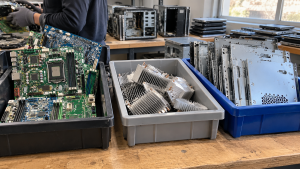
Computers that cannot be reused are taken apart. Typical outputs include:
- circuit boards
- metal casings and frames
- plastic housings
- cables and wiring
- hard drives and other storage (after data handling)
- batteries, which are separated for their own recycling route
Step 7: Material Recovery
The separated materials go to specialized processors. Metals can be recovered and returned to manufacturing. The EPA cites 2006 U.S. Geological Survey estimates that for every million cell phones recycled, 35 thousand pounds of copper, 772 pounds of silver, 75 pounds of gold and 33 pounds of palladium can be recovered. The figure is for phones, but it shows why the boards and metals inside computers are worth recovering. Circuit Board Recycling covers boards in more detail.
The EPA also cites a USGS estimate that recycling one million laptops saves the energy equivalent to the electricity used by more than 3,500 U.S. homes in a year.
Step 8: Reporting
For businesses, the journey should end with records: what was received, how data was handled, what was reused and what was recycled. Those records show that retired equipment was handled as intended.
For a broader view of every electronics category, see The E-Waste Recycling Process.
How to Make Sure Your Computers Are Recycled Responsibly
- Prepare data first. How to Wipe a Computer Before Recycling covers common options.
- Choose a certified recycler. The EPA recommends using certified electronics recyclers.
- Ask where equipment goes after collection, including downstream processors.
- Ask for documentation, including certificates tied to serial numbers.
- Prefer reuse when equipment still works.
How 3W Computer Can Help
3W Computer works with businesses retiring IT equipment from its base in Upland, California. On its website, 3W Computer lists logistics and pickup, detailed inventory reporting, equipment remarketing, data destruction services including a certificate of destruction, and e-waste recycling. Contact 3W Computer to discuss what will happen to your retired computers.
Frequently Asked Questions
What happens to recycled computers?
They are typically collected, sorted, cleared of data, then either reused or dismantled so that parts and materials such as metals and plastics can be recovered.
Are recycled computers reused?
Often, yes. Working computers may be refurbished and resold or donated, which the EPA ranks above recycling.
What happens to the data on recycled computers?
A responsible process wipes or destroys data-bearing drives before the computer is reused or dismantled, and records the result.
What materials are recovered from recycled computers?
Metals, plastics and glass, along with components that can be reused. Circuit boards contain metals such as copper and small amounts of precious metals.
What happens to recycled laptops?
The same process applies. Laptop batteries are separated early because they may need to be recycled separately.
Know What Happens to Recycled Computers Before They Leave
Understanding what happens to recycled computers helps you ask better questions: is the data handled first, is working equipment reused, where do materials go, and what records will you receive? A good answer to each means your old computers are handled responsibly.
To discuss your retired computers, contact 3W Computer.
Sources
- U.S. EPA, Electronics Donation and Recycling
- U.S. EPA, Cleaning Up Electronic Waste (E-Waste)
- U.S. EPA, Non-Hazardous Materials and Waste Management Hierarchy
- U.S. EPA, Certified Electronics Recyclers
- National Institute of Standards and Technology, SP 800-88 Rev. 2: Guidelines for Media Sanitization
- Federal Trade Commission, Protecting Personal Information: A Guide for Business
Name: Win Win World Recycle LLC
Address: 1226 West 9th Street, Upland, CA 91786
Phone: 908-798-6789