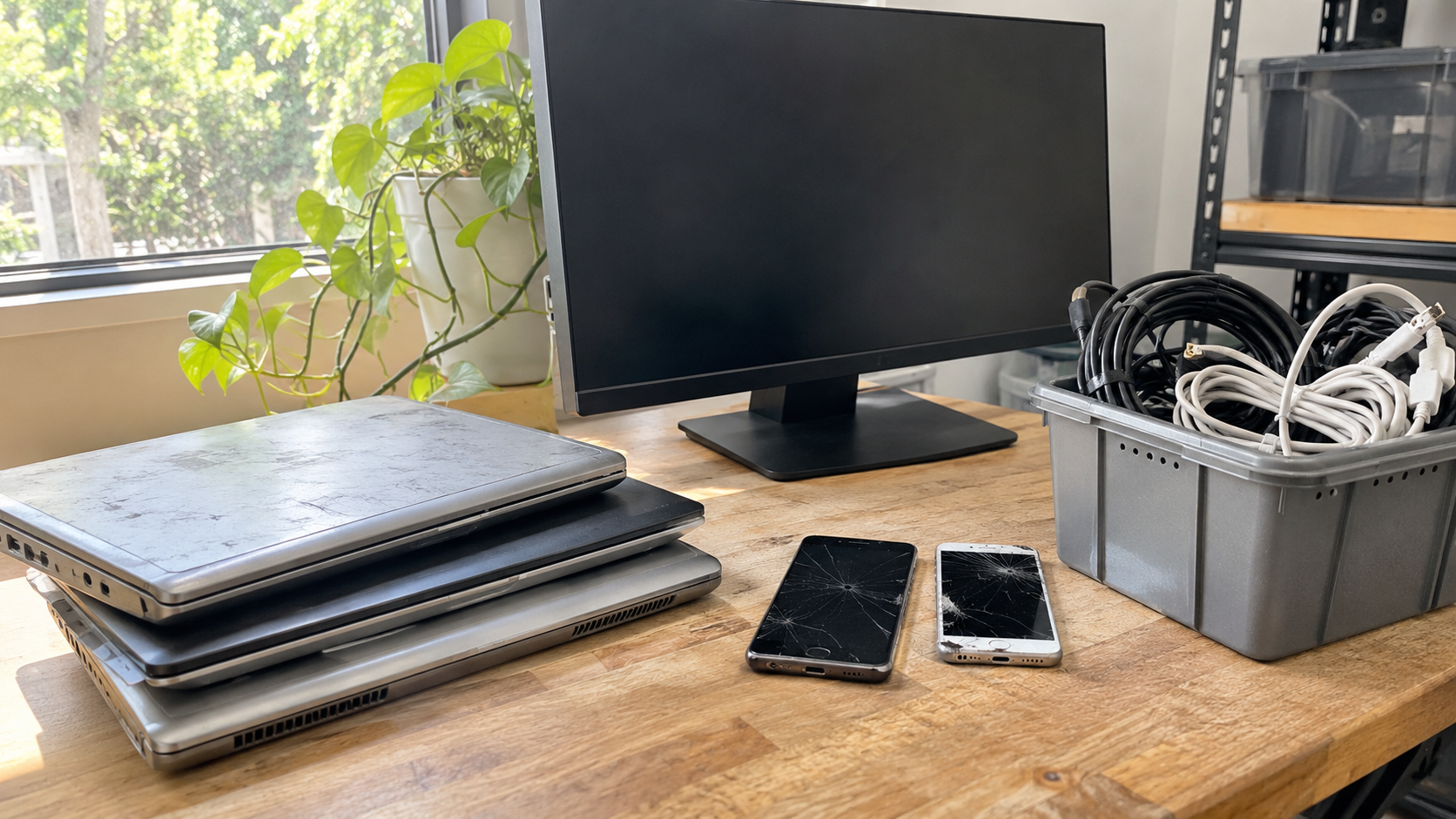
Old laptops, phones, servers and TVs pile up quickly, and the easiest option is often to leave them in a closet or put them in the trash. Recycling them takes a little more effort, but the payoff is real. This guide explains the benefits of recycling electronics, using figures and guidance from the U.S. EPA and the United Nations, and what businesses can do to get the most from it.
1. It Conserves Natural Resources
The U.S. EPA explains that electronic products are made from valuable resources and materials, including metals, plastics and glass, all of which require energy to mine and manufacture. Donating or recycling consumer electronics conserves those resources and avoids air and water pollution.
The EPA cites a 2006 U.S. Geological Survey estimate that recycling one million laptops saves the energy equivalent to the electricity used by more than 3,500 U.S. homes in a year.
2. It Recovers Valuable Metals
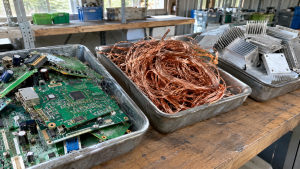
Electronics contain metals that can be recovered and used again. The EPA cites USGS estimates that for every million cell phones recycled, 35 thousand pounds of copper, 772 pounds of silver, 75 pounds of gold and 33 pounds of palladium can be recovered.
When electronics are not recycled, those materials are lost. The UN’s Global E-waste Monitor 2024 estimates US$62 billion worth of recoverable natural resources from e-waste were unaccounted for in 2022, when only 22.3% of e-waste was documented as properly collected and recycled. Circuit Board Recycling explains how boards fit in.
3. It Protects Critical Minerals
The EPA’s page on used lithium-ion batteries notes that these batteries contain materials such as cobalt, graphite and lithium, which are considered critical minerals. When batteries are thrown in the trash, the EPA says, those critical resources are lost outright.
The Global E-waste Monitor also reports that just 1% of rare earth element demand is met by e-waste recycling, showing how much room there is to improve.
4. It Reduces Fire and Safety Risks
The EPA warns that lithium-ion batteries, or devices containing them, can be damaged or crushed when placed in the trash or curbside recycling bins, creating a fire hazard. Recycling electronics through proper channels keeps batteries out of collection trucks and sorting facilities where they can ignite. Laptop Battery Recycling covers battery handling.
5. It Keeps Harmful Practices in Check
Recycling through responsible channels matters as much as recycling itself. The EPA has described serious concerns about unsafe e-waste handling in some developing countries, including open-air burning and acid baths that expose workers to lead, mercury, cadmium and arsenic, according to its page on cleaning up electronic waste. Choosing a certified recycler helps avoid contributing to those practices. The EPA recommends certified electronics recyclers.
6. It Supports Reuse and Data Security
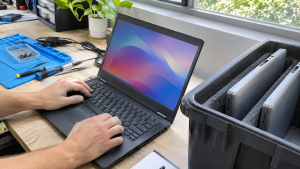
The EPA ranks reuse above recycling in its waste management hierarchy. A good recycling program sends working devices to reuse first and recycles the rest.
For businesses, there is another benefit: a structured recycling program forces a decision about data on every device before it leaves. Data Remanence explains why that matters.
Benefits of Recycling Electronics for Businesses
Beyond the environmental case, businesses gain practical advantages:
- Clearer records. Inventory reports and certificates show what was retired and how.
- Data protection. Devices are wiped or destroyed before they leave.
- Value recovery. Working equipment may be resold. IT Asset Recovery Tips explains how.
- Less storage clutter. Old equipment stops taking up space.
- Fewer disposal risks. Batteries and regulated devices go through proper channels. Is It Illegal to Throw Away Electronics? explains why.
How to Get the Most From Electronics Recycling
- Reuse first where devices still work.
- Remove data before devices leave your control.
- Separate damaged batteries and follow the collector’s instructions.
- Choose a certified recycler and ask where materials go.
- Keep records of what was collected.
How 3W Computer Can Help
3W Computer works with businesses from its base in Upland, California. On its website, 3W Computer lists e-waste recycling with a zero landfill contribution policy, equipment remarketing, detailed inventory reporting, logistics and pickup, and data destruction services. Contact 3W Computer to discuss recycling your retired electronics.
Frequently Asked Questions
What are the benefits of recycling electronics?
It conserves resources, recovers valuable metals and critical minerals, reduces fire risks from batteries, supports reuse and helps businesses protect data.
Why is it important to recycle electronics?
Electronics contain valuable and sometimes hazardous materials. Recycling recovers those materials and keeps batteries and other components out of the trash.
How much energy does recycling electronics save?
The EPA cites a USGS estimate that recycling one million laptops saves the energy equivalent of the electricity used by more than 3,500 U.S. homes in a year.
What percentage of e-waste is recycled?
The Global E-waste Monitor reports that 22.3% of e-waste generated worldwide in 2022 was documented as properly collected and recycled.
Is reuse better than recycling?
The EPA ranks reuse above recycling, so working devices should be reused where possible.
Put the Benefits of Recycling Electronics to Work
The benefits of recycling electronics reach from resource conservation to fire safety and data protection. To get them, reuse what you can, remove data, handle batteries carefully and choose a recycler you can trust.
To discuss recycling your retired electronics, contact 3W Computer.
Sources
- U.S. EPA, Electronics Donation and Recycling
- U.S. EPA, Used Lithium-Ion Batteries
- U.S. EPA, Cleaning Up Electronic Waste (E-Waste)
- U.S. EPA, Non-Hazardous Materials and Waste Management Hierarchy
- ITU and UNITAR, The Global E-waste Monitor 2024
Name: Win Win World Recycle LLC
Address: 1226 West 9th Street, Upland, CA 91786
Phone: 908-798-6789