IT Asset Disposition (ITAD): What It Is and How It Works
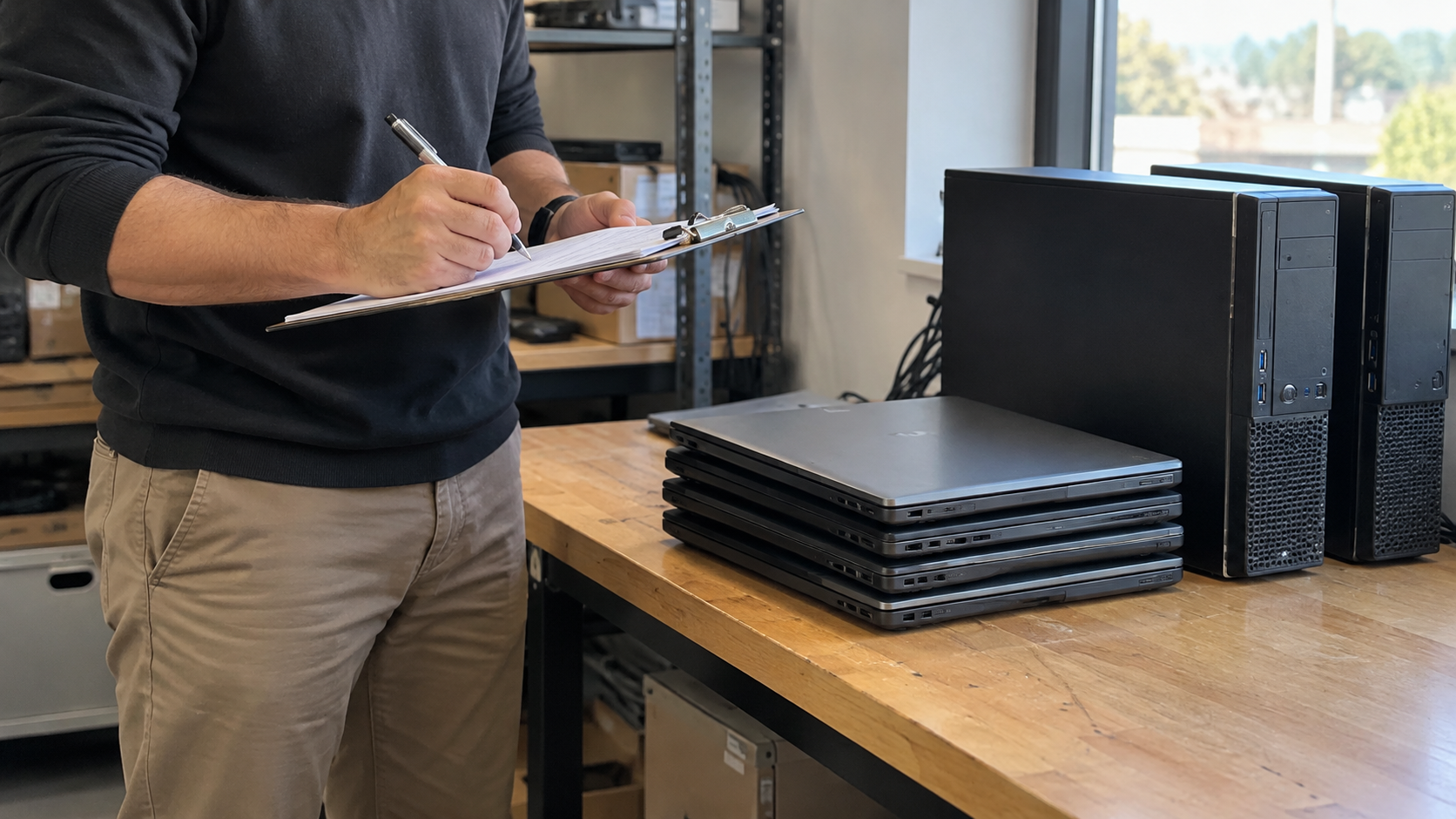
A company replaces 40 employee laptops. The new devices are ready, but the old ones still need decisions: which files to retain, how to handle storage, whether equipment has another use, and who will keep the disposal records.
IT asset disposition, commonly shortened to ITAD, is the organized management of IT equipment when it leaves its current use. Depending on the project, it can involve inventory, data handling, collection, assessment for reuse or resale, and recycling.
The term describes a broader task than removing electronics from an office. An effective plan connects each device with an authorized next step and a record of what happened. The exact services, responsibilities and evidence must be agreed for the project.

What Does ITAD Include?
An ITAD project may cover laptops, desktops, servers, storage devices, networking equipment and other business technology. Acceptance and service scope vary by provider, so start with an equipment list.
The business first decides what is ready to leave service. The provider’s work should then follow the agreed instructions for collection, data handling and equipment disposition. Some projects need individual tracking; others involve supporting items such as cables and accessories alongside tracked computers.
Possible outcomes include continued use, repair or refurbishment, resale, component recovery and material recycling. None should be assumed for a particular device before its condition and requirements have been assessed.
For example, a functional laptop may have reuse potential, but unresolved ownership or data requirements can prevent an immediate transfer. A broken machine may still contain storage requiring attention even when the rest of the device has little practical value.
IT Asset Disposition vs. Electronics Recycling
Electronics recycling concerns the management of unwanted electronics through recycling channels. ITAD also addresses the business decisions and records surrounding the retirement of IT assets, including data and possible reuse.
| Question | Electronics recycling discussion | Broader ITAD discussion |
|---|---|---|
| What equipment is involved? | Accepted electronic items | Asset ownership, condition and authorized disposition |
| What happens to stored data? | Confirm whether data work is included | Select the handling requirements and review the results |
| Could the device be used again? | Ask about the receiving program’s options | Assess reuse or value recovery within the approved scope |
| What records are needed? | Confirm equipment or recycling records | Connect transfer, processing and disposition records to inventory |
The service name alone does not establish the scope. A recycler may offer data handling and asset management; an ITAD proposal may still exclude packing, collection or certain reporting. Read what is included rather than choosing on terminology alone.
When Businesses Need an ITAD Plan
Equipment retirement often follows a laptop refresh, office move, facility consolidation or server replacement. The practical trigger is that a business has devices it no longer intends to use and needs to resolve their next steps.
An office move is a useful example. The team may know what it wants at the new site but have no decision for equipment stored in closets. Moving everything simply carries that unresolved task to another building.
An ITAD plan also helps when devices are retired gradually. Instead of accumulating an untracked pile, the business can assign a holding location, a responsible person and a regular review of items ready for disposition.
Before adding a device to the project, check for leases, return obligations, recovery needs or internal holds. Equipment in your possession is not automatically equipment you are authorized to sell, donate or destroy.
How an ITAD Project Can Be Organized
The following is a general planning approach. It is not a description of a particular provider’s operating procedure.
1. Define What Can Leave Service
Create an approved equipment list. Separate devices still needed for work from those ready for assessment or disposition. Identify items requiring another decision, such as a laptop awaiting file recovery.
Assign someone who can authorize changes. This prevents the collection team from having to guess whether an unexpected device belongs in the batch.
2. Establish Data Responsibilities
Confirm that necessary information has been retained through approved backups. Identify the storage involved and decide who will select, perform and review the data handling.
NIST SP 800-88 Revision 2 provides guidance for media sanitization programs using techniques and controls appropriate to information sensitivity. The organization should establish its requirements before accepting a provider’s proposed approach. Source: NIST Guidelines for Media Sanitization.
Ask how damaged or inaccessible media will be handled and who approves a fallback if processing is unsuccessful. A device that does not start should remain part of the data review.
3. Agree on Collection and Tracking
Confirm the destination, equipment count, access conditions, packing responsibilities and transfer record. If individual identifiers are required, establish how computers and their internal storage will be connected in the records.
For a site with upper-floor equipment, disclose elevator access and loading restrictions. Confirm whether the quote includes removal from that location or requires your team to stage items elsewhere.
4. Assess the Equipment’s Next Use
Agree on whether reuse or resale assessment is part of the scope. A device’s functionality, condition, age, completeness and potential demand may influence that decision.
Data and ownership requirements still apply when equipment is intended for reuse. Ask how the approved next step will be documented and who authorizes a change when assessment produces a different result than expected.
5. Review Results and Close Exceptions
Compare received-equipment records with the approved list, then review the processing and disposition information supplied. Keep missing items, pending work and unexplained changes open until resolved.
A transfer receipt and a completed data handling record answer different questions. Preserve the relationship between them rather than treating the first document received as completion of the whole project.
Reuse, Resale and Recycling Are Different Outcomes
Retiring a device from one business does not always end its useful life. EPA identifies reuse and refurbished equipment among the benefits of responsible electronics management. Source: EPA Certified Electronics Recyclers.
A practical assessment asks whether continued use is viable after the required data work and preparation. If it is not, component or material recovery may be considered through appropriate channels.
Resale is a commercial decision as well as a technical one. A working device does not guarantee a purchase offer. Ask how valuation is determined, whether the offer is provisional, and which charges or deductions affect the final amount.
For business planning, compare the expected net result: any confirmed proceeds against service charges and your own preparation costs. Avoid entering an assumed recovery value in the budget before receiving an actual assessment.
What Determines ITAD Cost?
There is no universal price for an ITAD project. Request a quote that addresses the actual equipment, site and required work.
Relevant questions include:
- Which equipment types and quantities are included?
- Is packing or loading included?
- What data work is required for each storage type?
- What happens to devices that cannot complete the agreed process?
- Which inventory and reporting services are included?
- Are collection charges separate from processing?
- How is any purchase offer or recovery credit calculated?
Compare proposals on equivalent scope. A lower collection price may leave your staff with additional work or exclude the data records you need. Conversely, individual tracking may be unnecessary for some accessories; define that distinction before requesting a quote.
How to Evaluate an ITAD Provider
Start with the provider’s ability to explain the equipment it accepts, where the work happens, and who is responsible at each stage. Ask for an anonymized example of the records proposed for your project.
EPA recommends certified electronics recyclers for businesses, governments and large purchasers and identifies R2 and e-Stewards as accredited programs. If a provider claims certification, verify the relevant facility and scope through the appropriate directory. Source: EPA Certified Electronics Recyclers.
Also check communication and exception handling. A provider should be able to explain how it reports discrepancies, seeks authorization for changes and corrects incomplete records.
Do not treat a general promise of security or compliance as a substitute for an agreed method and supporting evidence. Your organization’s requirements should determine what you ask for and what you accept.
Prepare for the First Conversation
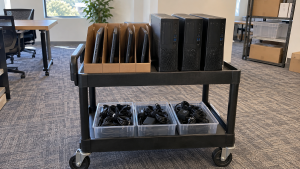
Send an equipment summary rather than a vague request to remove “old IT.” Include quantities, types, location, condition, access restrictions and the target date.
For example: “We are retiring 25 company laptops and six desktops from an upper-floor office. Four laptops will not start. Backups are confirmed; we need to agree on storage handling and individual asset records.”
Add any equipment you intend to retain and any unresolved ownership decisions. Flag known battery damage separately and ask for handling instructions before packing.
Keep the approved scope and final records under one project reference. Assign an internal owner who will reconcile them with the company’s inventory and resolve outstanding items.
Frequently Asked Questions
What does ITAD stand for?
ITAD stands for IT asset disposition: the management of IT equipment when it leaves its current use, including relevant data, reuse and disposal decisions.
Is ITAD the same as recycling computers?
Computer recycling can be one outcome. ITAD can also include inventory, data handling, reuse assessment, value recovery and documentation. Confirm the specific scope offered.
Can working equipment be reused?
Potentially, after assessment and resolution of ownership and data requirements. Continued use or resale depends on the device and the receiving arrangement; it is not guaranteed.
Does ITAD always include physical drive destruction?
No. The appropriate data handling depends on the storage, information requirements and approved method. Ask which action will be performed and how the outcome will be recorded.
Can a small business use ITAD services?
A small business can request a project assessment. Acceptance, minimum quantities, collection availability and charges depend on the provider and should be confirmed directly.
Does a provider’s certificate settle every compliance requirement?
A certificate can support the records of completed work, but it does not independently establish that every obligation has been met. Have the responsible person in your organization review the process and evidence against your requirements.
Discuss IT Asset Disposition With 3W Computer
IT asset disposition works best when the business defines the equipment, data requirements and expected records before handover. That gives the project a clear scope and makes unresolved items easier to identify.
Contact 3W Computer with your equipment list, location, condition and target date. Ask about the available collection, data handling, reuse assessment and reporting options for your project. Confirm acceptance, responsibilities, costs and any recovery offer before arranging service.
Name: Win Win World Recycle LLC
Address: 1226 West 9th Street, Upland, CA 91786
Phone: 908-798-6789